




The global leader in enterprise social media management
For over a decade, Sprinklr Social has helped the world’s biggest brands reimagine social media as a growth driver with a unified platform, industry-leading AI and enterprise-grade scale.



5 Types of Social Media Content Based on Purpose
Every post your brand publishes competes for limited audience attention. The difference between noise and impact lies in intent. Purpose-led content helps enterprises create social media programs that not only drive engagement but also build long-term brand equity and measurable business value.
For businesses, social media content typically falls into five strategic categories:
- Educational and informative content empowers audiences with practical knowledge that builds authority and trust.
- Engaging and interactive content fosters participation, helping brands nurture active communities.
- Storytelling and trust-building content humanizes the brand and deepens emotional connection.
- Entertaining content increases reach and shareability in competitive digital environments.
- Thought leadership and authoritative content positions your organization as a credible industry voice.
In this article, we explore how each content type drives specific outcomes across the customer journey and how AI-driven insights can help refine your content mix for maximum impact.
- 1. Educational and informative content
- 2. Engaging and interactive content
- 3. Storytelling and trust-building content
- 4. Entertaining content
- 5. Thought leadership and authority content
- What are the trending social media content formats?
- How to decide the right type of social media content for your brand
- Bringing it all together: Crafting a smart, impactful social strategy
1. Educational and informative content
Audiences trust brands that help them make sense of complex ideas. For enterprises, educational content turns expertise into a relationship-building tool that informs, empowers, and builds lasting credibility. When your brand explains an emerging trend clearly or breaks down a process into actionable insights, it positions itself as a trusted authority rather than a promoter.
Why this format works for brands
Educational content works because it creates a reason for your audience to engage. Each benefit below shows why brands that teach rather than sell earn trust and attention:
- Builds credibility by showcasing specialized expertise.
- Provides practical value that drives repeat engagement and brand loyalty.
- Increases saves, shares, and search visibility, extending organic reach.
What types of social media content help showcase product features without sounding too salesy?
Tutorials and explainer videos work best. They demonstrate value in action, teaching audiences something useful while subtly positioning the product as the solution.
Best-performing formats
Some formats make learning easier, faster and more shareable. For example, Headspace shares everyday tips like a quick breathing exercise or a reminder to pause when stress creeps in. These posts do more than educate; they give people a small sense of relief right when they need it.
Approaches that consistently capture attention and drive engagement include:
- Infographics and carousels for quick, digestible content
- Explainer videos that simplify complex ideas
- FAQs and expert Q&As to address common challenges
- Tutorials and how-to guides that provide actionable steps
Enterprise execution framework
Your enterprise may hold knowledge that, when shared strategically, can educate audiences and strengthen your authority. These steps show how to turn internal expertise into engaging, trustworthy content:
- Turn insights into influence: Transform internal reports, research or case studies into social-friendly formats that educate your audience.
- Leverage data to drive engagement: Use analytics to uncover the topics your audience actively searches for.
- Ensure clarity and compliance: Present complex or regulated information in an easy-to-understand format.
- Measure impact: Track content performance by metrics like saves, shares and return visits to quantify how your educational efforts strengthen brand management and customer loyalty.
Educational and informative content is most effective for industries with complex products or services, such as finance, healthcare, SaaS and professional services, where audiences value clear explanations and actionable insights. Focus on platforms where learning-driven content thrives, such as LinkedIn, YouTube and Instagram, turning expertise into influence while building trust and loyalty.
Also read: 7 inspirational social media campaign examples
2. Engaging and interactive content
Interactive posts, whether a quick poll, a contest or a UGC challenge, offer consumer insights and make people part of your brand story.
Doritos exemplifies this approach. It knows that fans love having a say, so it leans into polls, flavor battles and playful challenges. As a result, fans feel like insiders shaping the brand’s story, which sparks conversations, viral buzz and ultimately a stronger pull toward buying the product.
Every vote, entry or comment tells you a little more about what your audience cares about, which is useful for shaping successful future campaigns.
Why this format matters now
Interactive content transforms passive viewers into active participants. Here’s why this approach is especially relevant today:
- Encourages two-way interaction, turning passive viewers into active participants
- Boosts algorithmic visibility, extending organic reach
- Provides actionable audience insights to guide marketing strategy
Examples that work
Certain formats consistently drive engagement because they help your organization can turn interaction into meaningful connections, including:
- Polls and quizzes that gather opinions and spark conversations
- Contests and giveaways that drive participation and brand excitement
- User-generated content (UGC) that fosters authenticity and community
- Interactive carousels or slideshows that encourage clicks and engagement
Enterprise execution framework
For enterprises, interactive content can be a strategic tool when carefully executed. Here’s how to make it both engaging and impactful:
- Set clear UGC guidelines: Ensure all submissions meet compliance, legal and brand safety standards.
- Measure sentiment and impact: Use social listening and sentiment analysis to understand how UGC and interactive content affect perception and engagement.
- Link engagement to business outcomes: Track conversion lift, lead generation or campaign ROI from interactive posts to quantify value.
- Iterate based on insights: Analyze participation patterns to refine content types, formats and messaging for maximum impact.
Interactive content is especially effective for consumer brands, retail, tech and service industries that want to build community while gathering actionable audience insights. To maximize engagement, focus on platforms where participation thrives, such as Instagram, LinkedIn, TikTok and Facebook.
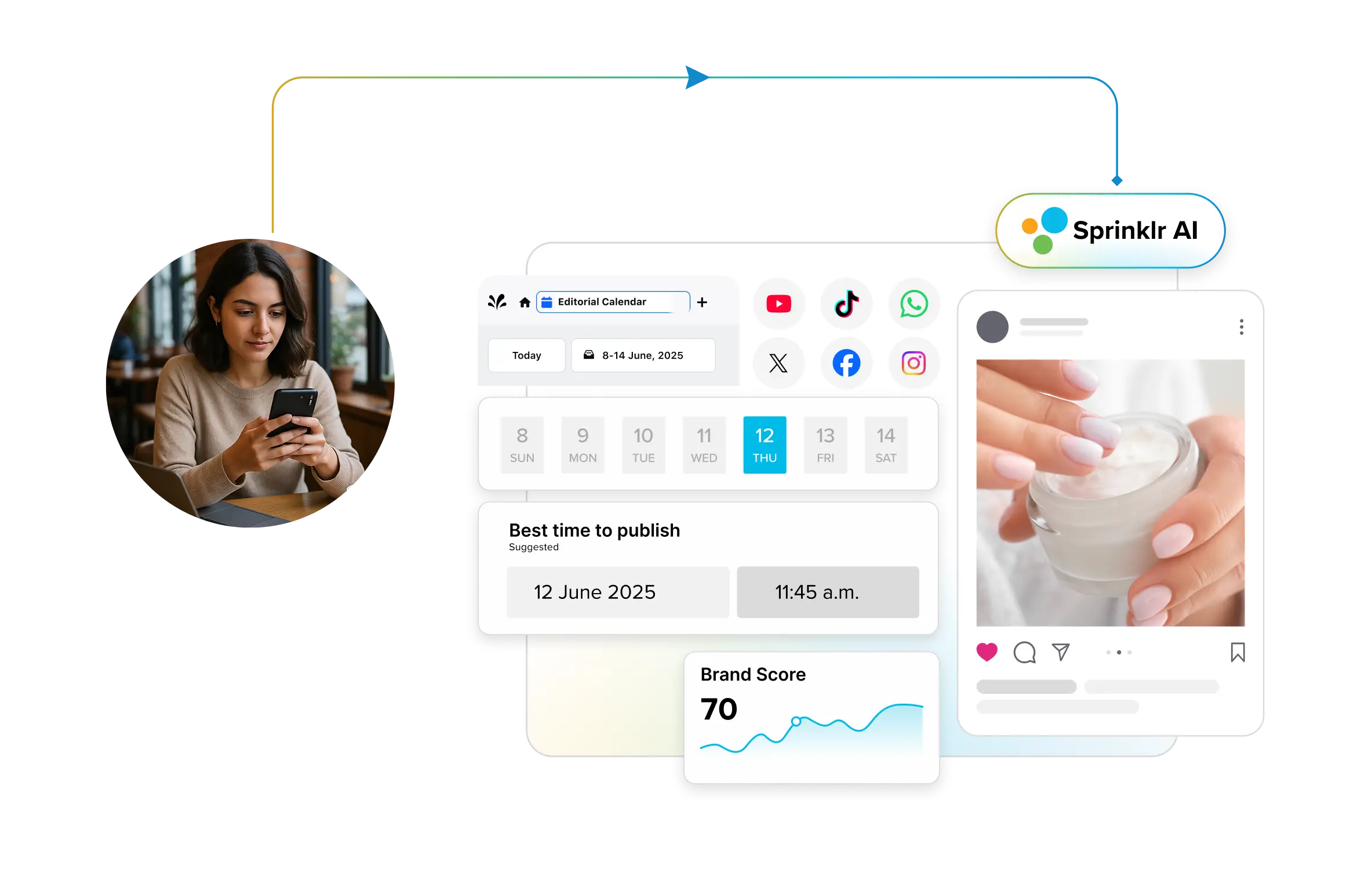
Pro Tip: Start by designing posts that invite participation in the form of polls, quizzes, contests, UGC challenges or interactive carousels, tailored to your audience’s preferences. Schedule and publish these posts at peak engagement times across multiple channels to maximize reach. Analyze the data to uncover trends, sentiment and preferences, turning audience participation into actionable insights.
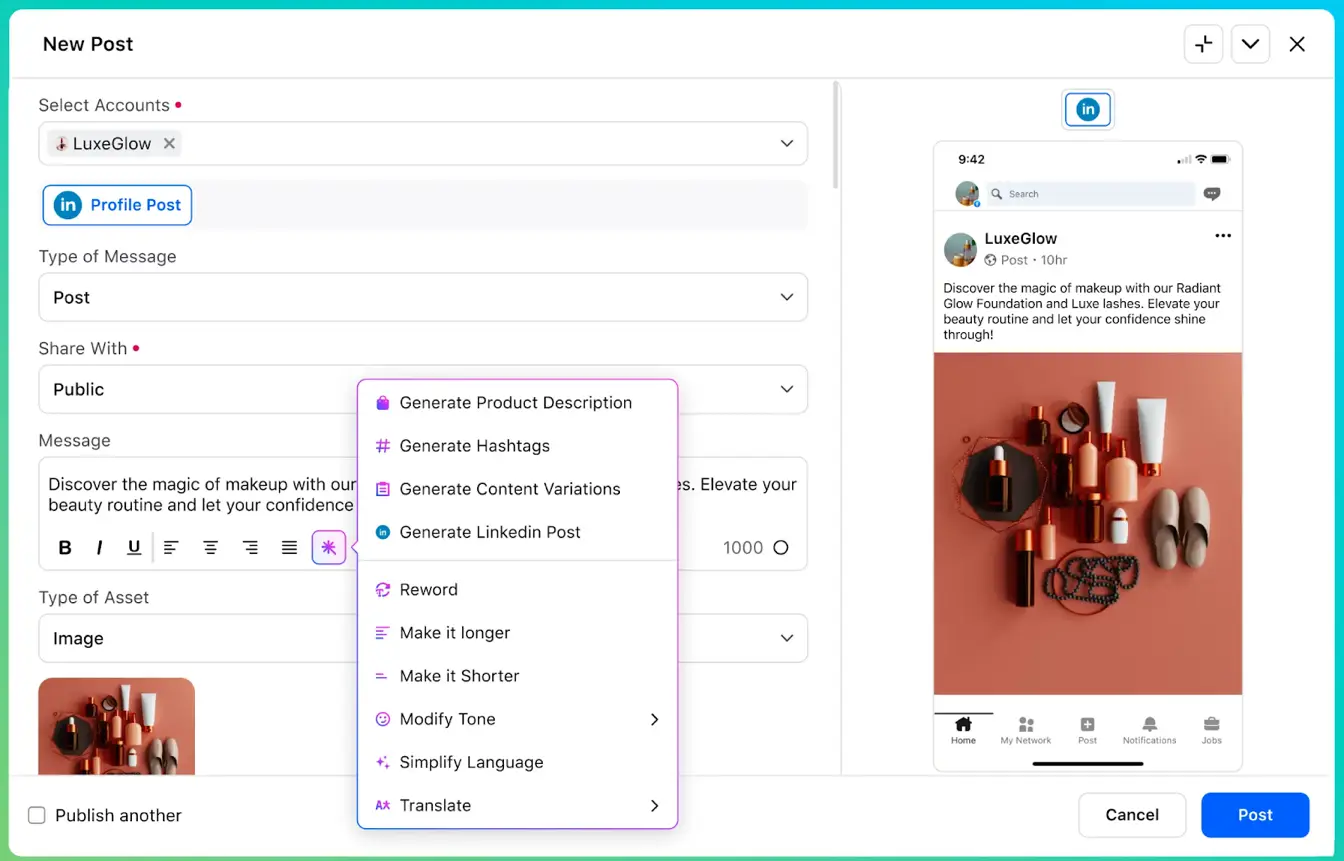
Social Publishing & Engagement makes it easy to manage this entire process from one platform. Schedule and distribute content across multiple social networks, moderate responses and monitor engagement in real time. Its analytics feature helps you measure sentiment, track performance and identify which interactive formats resonate most with your audience.
3. Storytelling and trust-building content
People enjoy stories driven by customer-centric product strategies. Stories about impact, employees or values move beyond “corporate” messaging and continue building brand loyalty long after your enterprise’s social media campaign ends.
Why this format builds stronger relationships
When a customer shares how your product solved a problem or your team posts a behind-the-scenes moment, it feels real in a way polished ads can’t match. This format can help:
- Create emotional connections that foster trust and loyalty
- Humanize brands, making them more relatable and approachable
- Amplify messages that resonate across multiple audience touchpoints
How do I align different types of social media content to stages in our customer journey?
Storytelling is particularly effective in the consideration and loyalty stages of the customer journey. Customer stories reassure prospects, while behind-the-scenes and CSR content keep existing customers emotionally connected.
Examples that resonate
From real customer experiences to cultural and purpose-driven narratives, these examples illustrate the formats that consistently connect:
- Customer testimonials and detailed case studies that show real outcomes
- Brand storytelling featuring founder or employee voices
- Behind-the-scenes content that highlights company culture and processes
- CSR and sustainability updates that reinforce purpose and values
Enterprise execution framework
By mapping journeys, aligning purpose-driven initiatives and repurposing long-form content, your brand can turn authentic narratives into measurable business impact.
For example, footwear brand TOMS utilizes its social platforms to highlight the communities it supports and the causes it funds. This kind of storytelling enables buyers to view their purchase as a contribution to change rather than just adding another item to their closet.
Here’s how your enterprise can apply similar strategies:
- Develop structured storytelling frameworks: Map customer journeys from problem → solution → impact to ensure your stories highlight meaningful outcomes.
- Align CSR and ESG storytelling: Share initiatives that demonstrate measurable social or environmental impact.
- Repurpose long-form content: Turn blogs, whitepapers or reports into short, engaging social content that communicates key stories and results.
- Track engagement and sentiment: Measure how storytelling affects brand perception, loyalty and advocacy over time.
For B2B and B2C enterprises focused on brand reputation, customer loyalty and purpose-driven messaging, storytelling and trust-building content delivers the strongest impact. Platforms where narratives resonate most, including LinkedIn, Instagram, YouTube and Facebook, help transform these stories into meaningful engagement and lasting connections.
Know more: Why social media competitive intelligence is your new secret weapon
4. Entertaining content
Audiences’ primary purpose in browsing social media is for entertainment. A witty post has the potential to be shared beyond its target demographic. Short videos and playful takes on trends can make your brand feel approachable instead of corporate.
Oreo, for example, uses humor judiciously in its posting strategy. From witty memes to fun takes on trending topics, posts feel less like ads and more like sharing a joke with friends. This helps the brand stay relevant, shareable and always top-of-mind.
Why it drives top-of-funnel reach
Entertaining content turns audiences into active participants who are likely to share, comment and engage. It also:
- Creates shareable, relatable content that spreads organically
- Keeps audiences engaged while building brand awareness
- Positions your brand as approachable and culturally tuned-in
Formats to leverage
Using content types that naturally attract attention ensures your audience interacts and stays connected. These include:
- Memes and culturally relevant content that spark conversation
- Short-form videos (Reels, TikTok, Shorts) that capture attention quickly
- Day-in-the-life content that shows the human side of your team or brand
Enterprise execution framework
Use clear guidelines, monitor trends and adapt humor to ensure your posts engage audiences without risk. This approach works best when you:
- Stay culturally relevant: Identify trends that resonate without risking your brand reputation
- Leverage real-time listening: Monitor social channels to spot trends and memes your audience is engaging with
- Localize humor: Adapt content to suit regional or global markets, ensuring relevance and sensitivity
- Measure engagement impact: Track reach, shares and sentiment to evaluate ROI and refine future entertaining content
Entertaining content works especially well for consumer brands, lifestyle, retail and tech companies that want to connect with people on a relatable level. Platforms like Instagram, TikTok, YouTube and Facebook give these brands the space to share playful, fun moments that expand reach and make the brand feel more human.
Know more: How to use trend analysis to maximize social listening
5. Thought leadership and authority content
Audiences engage with brands that help them interpret change and make informed decisions. For enterprises, thought leadership content positions the brand as an authoritative voice in its industry, offering clarity through data, insights, and proven expertise. Sharing research-backed findings, expert interviews, or case studies strengthens credibility and reinforces your brand’s reputation as a trusted source.
Why credibility is critical for enterprise brands
For enterprises, credibility is the foundation of lasting influence. When your brand demonstrates authority in meaningful ways, it can:
- Build trust and reinforce brand authority beyond products or services
- Position your business as a reliable source in a crowded marketplace
- Strengthen relationships with decision-makers and industry stakeholders
Best-performing authority formats
Not all content carries the same weight. Formats that showcase real expertise and deliver tangible value tend to stand out, including:
- Case studies that showcase real-world results and impact
- Whitepapers and research insights offering in-depth, data-backed knowledge
- Podcasts and interviews that highlight expert perspectives and thought leadership
- Listicles with actionable, data-driven insights that are easy to digest
Enterprise execution framework
Brand credibility grows when expert voices and research are put to work across formats. To make that happen:
- Empower internal experts: Encourage executives and SMEs to create and share content, lending authenticity and credibility.
- Repurpose research efficiently: Turn studies, reports or insights into multiple content formats (blogs, posts, videos) to extend reach.
- Measure authority impact: Track share of voice, engagement and sentiment shifts to quantify influence and brand positioning.
- Link content to business outcomes: Monitor how thought leadership affects lead generation, partnerships or customer retention.
Deloitte, for instance, shares research, big-picture outlooks and clear-eyed takes on what’s next for industries like tech, finance and sustainability. As a result, professionals see Deloitte not just as a service provider, but as a trusted voice worth following.
Thought leadership content is best suited for B2B enterprises, professional services, SaaS and finance. Platforms such as LinkedIn, YouTube, Twitter/X and company blogs provide the right space to share authoritative insights, build influence and position your brand as a trusted voice in the industry.
What are the trending social media content formats?
The social media landscape is shifting fast, with AI, AR, VR and niche communities redefining how audiences engage online. The sooner you embrace advancements, the faster you’ll gain an edge while others are still catching up. Some trending formats are:
1. AI-driven personalization
AI gives you the power to deliver experiences tailored to each individual, helping you stay relevant at scale without extra manual effort. You can experiment with:
- AI-generated summaries that turn long reports or articles into quick, digestible takeaways.
- Avatars that give your audience a human-like presence in brand interactions.
- Hyper-personalized experiences that adapt in real time based on your audience’s preferences and behavior.
2. AR and VR content
AR and VR offer immersive, hands-on experiences that let you bring your brand to life in interactive and memorable ways. Try these approaches:
- Filters that add playful, branded elements to everyday posts.
- Try-ons that let your customers preview products virtually.
- Immersive events that recreate the energy of in-person gatherings online.
3. Community-driven content
Promoting community-driven content gives you a chance to interact with your target audiences rather than just broadcast your content. Focus on:
- Niche communities on Reddit and Discord where passionate users lead the conversation.
- Private LinkedIn groups that enable professional networking and peer-to-peer engagement.
4. Influencer collaborations and live content
People trust people, especially when interactions feel unscripted and genuine. You can humanize your brand and spark authentic engagement by:
- Partnering with micro-influencers who bring credibility and community engagement.
- Hosting live demos, launches and Q&As that let your audience interact directly with your experts and products.
Pro-tip:You can gain a competitive edge by experimenting with these emerging formats — but don’t scale blindly. Take a test-and-learn approach:
Run small pilots to see what resonates before making a bigger investment
Track ROI with advanced analytics to measure reach, sentiment and conversion impact of your experiments
How to decide the right type of social media content for your brand
Not every content format will drive results for your brand. The real strategy lies in selecting formats that align with your audience’s preferences, your business objectives and the resources you have at hand. Here’s how you can get it right:
Factors to consider
Choosing the right content starts with understanding the key elements that influence performance. Consider who you’re speaking to, what you want to achieve and the resources at your disposal. Look into:
- Audience preferences: Understand who you’re talking to and the type of content that resonates with them.
- Business goals: Define whether your objective is awareness, engagement, lead generation or conversion and tailor content accordingly.
- Platform strengths: Leverage the unique features of each platform (LinkedIn for thought leadership, TikTok for trends, Instagram for visual storytelling).
- Resource availability: Consider budget, in-house talent and available tools to create and scale content efficiently.
Framework for decision-making
Once you understand the key factors, a clear framework helps you turn insights into action. A structured approach ensures your content aligns with audience needs, business goals and platform dynamics:
- Map formats to funnel stages: Match content types to awareness, consideration and conversion stages to guide audience journeys.
- Adopt a test-and-learn approach: Pilot different formats, measure performance and optimize based on real engagement data on social media.
- Build a diverse editorial calendar: Mix educational, interactive, storytelling, entertaining and authoritative content to keep your audience engaged without overwhelming them.
Bringing it all together: Crafting a smart, impactful social strategy
No single content type dominates the social media landscape. True success comes from a balanced mix of educational, interactive, storytelling, entertaining and authority-driven content. All of these content formats must be carefully aligned with your audience’s behavior and business goals. The key is to test, measure and adapt. Don’t just copy trends blindly; use insights and data to understand what resonates, refine your approach and optimize for measurable impact. In a constantly evolving digital environment, adaptability is the real winning formula.
Sprinklr Social helps your enterprise achieve this by providing a unified platform to plan, create, publish and analyze content across all social channels. It includes features like content planning and scheduling, advanced analytics and reporting and social listening and sentiment analysis. This makes it easier to execute a data-driven social strategy that’s both efficient and effective.
Frequently Asked Questions
B2B brands perform best with educational, thought leadership and case study content that demonstrates expertise and drives credibility. Interactive posts like polls or webinars also work well for engaging decision-makers.
B2C brands thrive with entertaining, relatable and visually engaging content, such as short-form videos, memes and lifestyle storytelling. User-generated content (UGC) and interactive campaigns can also boost engagement and loyalty.
Brands should test new formats regularly, ideally once per month, to stay relevant and uncover what resonates with their audience. Monitoring performance ensures experimentation drives meaningful insights rather than wasted effort.
UGC can sometimes include off-brand or inappropriate material, which may harm your reputation if not properly moderated. Legal and compliance issues may also arise, especially for regulated industries.
ROI can be measured by tracking engagement, conversions, website traffic and lead generation tied to each content type. Advanced analytics, such as sentiment analysis and share of voice, can provide deeper insights into impact and brand perception.
Brands should align content with their business objectives and audience preferences: use educational content to build authority and trust and entertaining content to increase reach and engagement. A balanced mix ensures both short-term engagement and long-term loyalty.
The biggest mistake is copying trends without considering audience fit or business goals, resulting in content that feels forced or irrelevant. Another common error is failing to measure performance, leaving opportunities for optimization and impact on the table
